How to Make Puerto Rican Cuajito Recipe at Home
Published: 31 May 2025
Ever tried making a traditional Puerto Rican dish at home and felt lost before you even began? It happens to everyone. Recipes like this can look confusing, especially when they include new ingredients and long cooking steps. Don’t worry, this guide will walk you through each part of the process in a clear and simple way. We’ll break down ingredients, cooking steps, tips for better flavor and what to serve alongside your Puerto Rican Cuajito recipe. You’ll feel confident from the very first step to the last bite.If you enjoy exploring unique comfort dishes like this, you may also want to check out oden food, a flavorful Japanese hot pot that’s packed with slow-cooked ingredients.
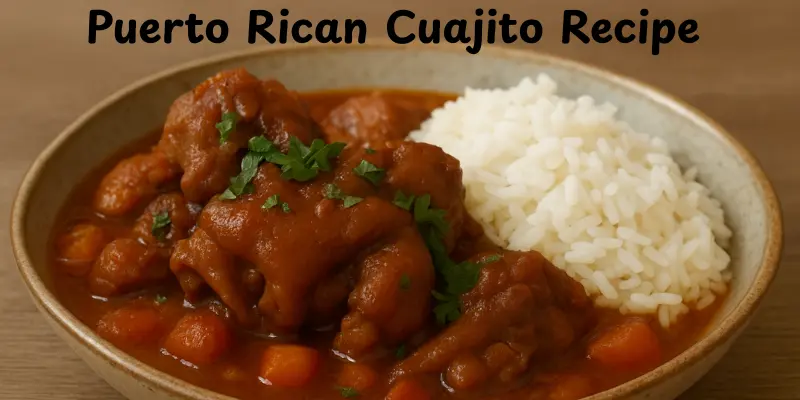
What is Cuajito?
Cuajito is a traditional Puerto Rican dish made with pork stomach and other cuts that are slow cooked until tender. It comes from the idea of using every part of the animal to create rich and comforting food. The broth gets its flavor from seasonings, vegetables and a slow simmer that blends everything together. People often enjoy it at gatherings, family meals or local food spots. It has a strong cultural connection and reflects Puerto Rico’s cooking traditions. Many families also have their own way of preparing it, which makes every bowl a little different.
History of Puerto Rican Cuajito recipe
Cuajito has deep roots in Puerto Rican cooking and comes from a long tradition of using every part of the animal. In the past, families did not waste food, so pork stomach and other cuts were cleaned, seasoned and turned into warm, filling meals.
Over time, this dish became a common choice at family gatherings, local food stalls and community events. It also reflects the island’s mix of cultural influences, including Spanish, African and Indigenous cooking styles. Many families still pass down their own version of the recipe, which keeps the tradition alive and keeps the flavors personal and meaningful.
Why You’ll Love This Recipe
You’ll love the cuajito puerto rico recipe because it brings a rich, bold flavor with simple ingredients. Each bite feels warm and comforting, perfect for family meals or cold weather. The slow cooking makes the meat tender and full of taste. It’s also a budget-friendly dish since it uses parts of the pork that many recipes ignore. You can change spices, vegetables, or meat cuts to match your own style, so every bowl feels personal and homemade.
Ingredients
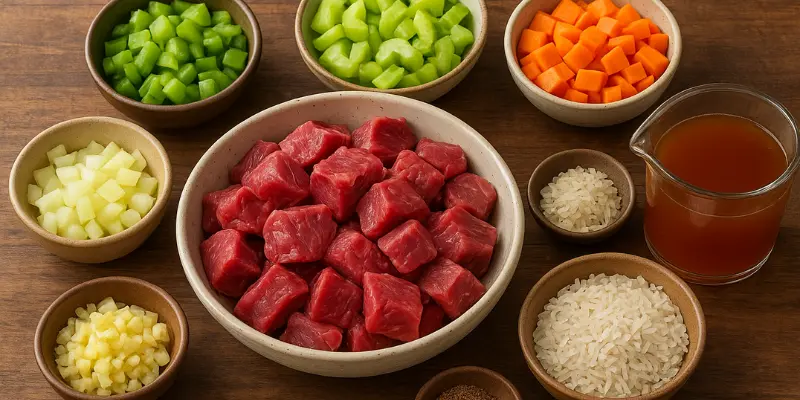
Before you start cooking, gather all your ingredients. Having everything ready makes the process easier and faster.
- 1 cup Pork stomach, cleaned and chopped
- 1 cup Pork belly or pork meat, small pieces
- 1 medium Onion, chopped
- 3 cloves Garlic, minced
- 1 small Bell pepper, chopped
- ½ cup Cilantro, chopped
- 1 Green plantain, sliced
- 1 Green banana, sliced
- 1 cup Sweet potato, diced
- 1 cup Taro or malanga, chunks
- 1 cup Pumpkin or calabaza, chunks
- ½ cup Pigeon peas or gandules
- ½ cup Rice, washed
- 1 tsp Salt (adjust to taste)
- ½ tsp Black pepper (adjust to taste)
- ½ cup Tomato sauce or crushed tomato
- 2 tbsp Achiote or annatto oil
- 4 cups Chicken broth or water
Equipment You Need
Before you start cooking, make sure you have all the necessary tools. Having the right equipment makes the process easier and faster.
- Large cooking pot or Dutch oven
- Cutting board
- Sharp knife
- Measuring cups and spoons
- Wooden spoon or spatula
- Skimmer or slotted spoon
- Bowl for washing vegetables
- Serving bowls
Step-by-Step Method of Puerto Rican Cuajito recipe
Follow these easy steps to make your Cuajito recipe Puerto Rican perfectly. Each step is clear, so you can cook with confidence and enjoy a flavorful, comforting dish.
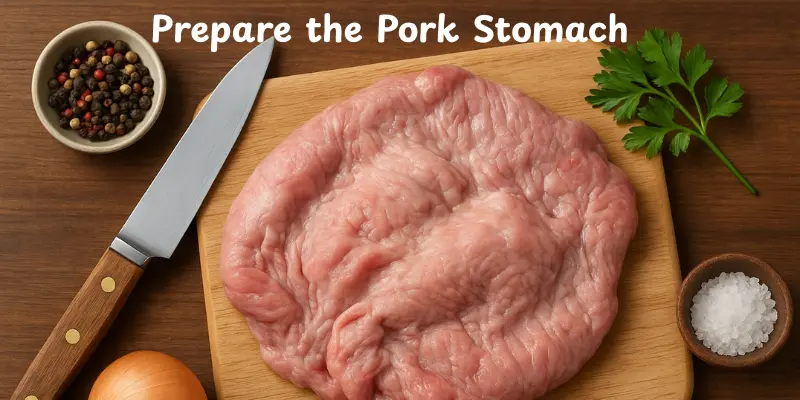
Step 1: Prepare the Pork Stomach
Rinse the pork stomach well under cold water. Rub it with a little vinegar or lime and rinse again. Cut into small, bite-sized pieces. This helps remove any strong smell and makes it tender when cooked.
Step 2: Brown the Meat
Heat achiote or annatto oil in a large pot. Add the pork belly and pork stomach pieces. Cook over medium heat until lightly browned. This step gives the dish a rich flavor.
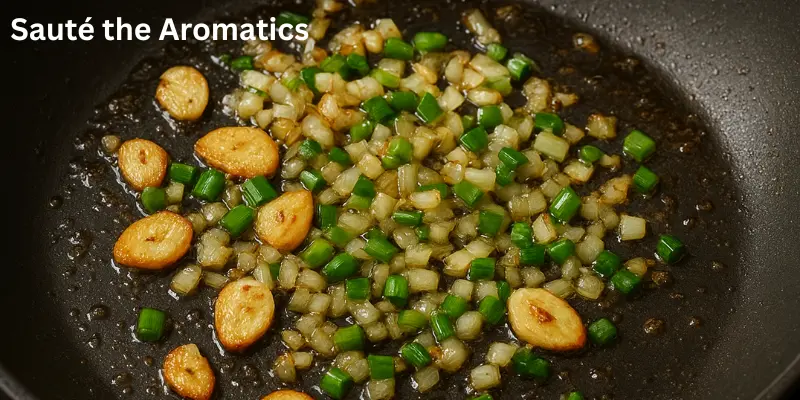
Step 3: Sauté the Aromatics
Add chopped onion, garlic, and bell pepper to the pot. Sauté for 3–5 minutes until soft and fragrant. Stir often to avoid burning.
Step 4: Add Liquid and Seasoning
Pour in chicken broth or water, then add tomato sauce. Season with salt and black pepper. Bring the mixture to a boil, then reduce to a simmer for 20 minutes. This allows the flavors to blend.
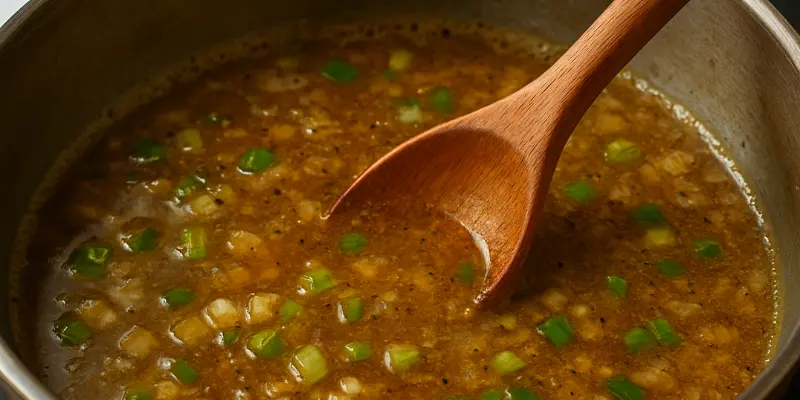
Step 5: Add Vegetables and Rice
Add green plantain, green banana, sweet potato, taro or malanga, pumpkin, pigeon peas and rice. Stir gently to combine everything evenly.
Step 6: Simmer Until Tender
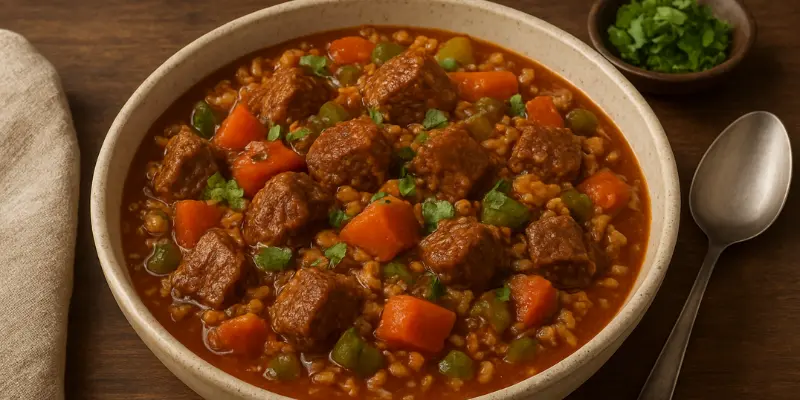
Cover the pot and simmer for 25–30 minutes, or until the meat and vegetables are tender. Stir occasionally and check the liquid level, adding more broth or water if needed.
Step 7: Finish and Serve
Taste and adjust seasoning with salt and pepper. Stir in chopped cilantro for freshness. Serve hot in bowls and enjoy with your favorite sides like rice or tostones.
Tips
These tips will help you make your Puerto Rican Cuajito even more delicious and avoid common mistakes. Follow them for better flavor and texture.
- Always clean the pork stomach thoroughly to remove any strong odor.
- Use fresh, firm vegetables so they don’t turn mushy while cooking.
- Brown the meat first to enhance the flavor of the broth.
- Stir occasionally to prevent the rice and vegetables from sticking.
- Adjust the seasoning at the end for the best taste.
- Add chopped cilantro just before serving for freshness.
- If the soup is too thick, add a little extra broth or water.
Variations
You can easily change this recipe to suit your taste or dietary needs. These cuajito variations add new flavors while keeping the dish comforting and rich.
- Vegetarian Cuajito: Use vegetable broth and skip the meat. Add extra root vegetables like carrots and potatoes for fullness.
- Seafood Cuajito: Replace pork with shrimp or fish chunks for a lighter, coastal version.
- Spicy Cuajito: Add chopped chili peppers or a pinch of cayenne for a kick.
- Coconut Cuajito: Use coconut milk instead of part of the broth for a creamy, tropical flavor.
- Extra Root Veggies: Add more malanga, taro, or sweet potato for a thicker, heartier stew.
What to Serve With Cuajito
Cuajito is hearty and flavorful on its own, but you can make the meal even better with the right sides. Pairing it with simple dishes balances the flavors and adds texture.
- White rice or arroz con gandules to soak up the broth
- Tostones or fried plantains for a crunchy contrast
- Fresh avocado slices for creaminess
- A light salad with lime or vinegar dressing
- Crusty bread to dip in the flavorful soup
Storage & Reheating
You can store Cuajito easily and enjoy it later without losing flavor. Proper storage keeps it safe and tasty for several days.
- Refrigerator: Store in an airtight container for 3–4 days.
- Freezer: Freeze in a sealed container for up to 2 months.
- Reheating: Warm on the stovetop over low heat, stirring occasionally.
- Microwave: Use a microwave-safe bowl, cover, and heat in short intervals, stirring in between.
- Add a little water or broth if the stew becomes too thick after storing.
Nutrition
| Nutrient | Amount per Serving |
| Calories | 350–400 kcal |
| Protein | 20–25 g |
| Fat | 15–18 g |
| Carbohydrates | 35–40 g |
| Fiber | 5–6 g |
| Sodium | 600–700 mg |
Conclusion
In this guide, we covered everything you need to make a delicious Puerto Rican Cuajito recipe, from ingredients and step-by-step cooking to tips, variations, and serving ideas. I highly recommend trying it at home because it’s a comforting, flavorful dish that brings family and friends together. Take your time with the steps and enjoy the experience because it really makes a difference.Keep exploring new flavors and stay tuned for more tasty recipes!
FAQs
Cuajitos are a traditional Puerto Rican dish made with pork stomach and other pork cuts. They are cooked slowly with vegetables, rice and seasonings. The dish is hearty, flavorful and often enjoyed at family meal
One of the most popular dishes is Arroz con Gandules, rice with pigeon peas and pork. Many people also love mofongo and lechón. Cuajito is well-loved but more regional and traditional.
Cuajito is filling and provides protein and vegetables. It can be high in fat depending on the pork used. Using lean cuts and adding more vegetables can make it healthier.
It is made with pork stomach, pork belly or other pork cuts, root vegetables, green plantains, pigeon peas, rice, and seasonings. The ingredients are simmered slowly to create a rich, flavorful stew.
Rinse the pork stomach under cold water. Rub it with vinegar or lime and rinse again. Parboil it in water for a few minutes before cooking to remove odor.
Yes, you can. Sauté the meat first, then pressure cook the pork stomach for 30–40 minutes. Add rice and vegetables afterward and cook until tender.
Cuajito is not usually very spicy. You can add chili peppers or cayenne if you like heat. Most traditional recipes are mild and flavorful.
It can stay in the refrigerator for 3–4 days in an airtight container. You can also freeze it for up to 2 months. Reheat gently on the stove or in the microwave.
Yes, replace the pork with extra vegetables and use vegetable broth. You can add more root vegetables or beans to make it filling. The flavors remain rich and satisfying.






- Be Respectful
- Stay Relevant
- Stay Positive
- True Feedback
- Encourage Discussion
- Avoid Spamming
- No Fake News
- Don't Copy-Paste
- No Personal Attacks
- Be Respectful
- Stay Relevant
- Stay Positive
- True Feedback
- Encourage Discussion
- Avoid Spamming
- No Fake News
- Don't Copy-Paste
- No Personal Attacks
