What Is Egg Porridge? A Complete Beginner’s Guide
Published: 11 Oct 2025
Ever wondered why your egg porridge never tastes quite right or feels too plain? Don’t worry, you’re not alone. Many people try to get that warm, creamy porridge texture just right. In this guide, we’ll bring you through everything you need to make a bowl of egg congee that’s smooth, flavorful, and comforting. You’ll learn the ingredients, cooking steps, and a few pro tips to get perfect results every time.
What Is Egg Porridge?
Egg porridge, also known as egg rice porridge or congee with egg, is a warm, comforting food made by cooking rice or oats meal slowly in water or broth until soft and creamy. When the grains are ready, a beaten egg in porridge is gently mixed in to give a silky texture and mild flavor. The egg blends smoothly, turning the congee egg rich and slightly thick.
Some people like to season it with salt, soy sauce, or a drizzle of sesame oil. People add vegetables, meat, or herbs for extra taste. It’s often enjoyed for breakfast or as a light meal when someone feels unwell. Simple but healthy, porridge and egg is loved in many Asian homes for its warmth and comfort, especially as a Japanese okayu or egg congee recipe.

Why You’ll Love This Recipe
This porridge and egg recipe is simple, cozy, and full of comfort. You don’t need advanced tools or special ingredients, just basic items you already have at home. The mix of soft rice and smooth egg creates a creamy bowl that warms you from the inside out. It is soft on the stomach, easy to absorb, and suitable at any time of day.
Whether you are feeling tired, cold, or just want something light, this egg congee recipe always feels right. You can make it plain, or add chicken, vegetables, or herbs to make it your own. Every bite brings warmth, taste, and a little peace into your day..
Ingredients You’ll Need
You don’t need many things to make this cozy bowl of congee eggs. Most of these ingredients are already in your kitchen, and each one adds its own touch of flavor and comfort.
- Rice or oats – the soft base that makes the rice porridge with egg thick and creamy
- Egg – gives smooth texture and rich taste
- Water or chicken broth – helps cook the grains and adds warmth
- Salt – for simple seasoning
- Soy sauce – adds a light savory flavor (optional)
- Sesame oil – gives a nice aroma and smooth finish (optional)
- Spring onions or herbs – for color and freshness on top
Step-by-Step to Make Egg Porridge Recipe
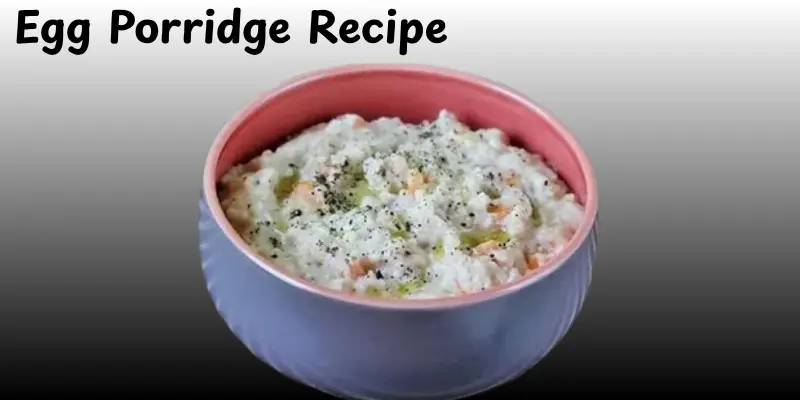
Making egg rice porridge is easy and relaxing. Just take your time, follow each step, and soon you’ll have a warm bowl of comfort ready to enjoy.
Prepare the Base
Rinse the rice well until the water runs clear. This helps remove extra starch and keeps the egg porridge smooth. Add the rice and water or broth to a pot, then bring it to a gentle boil. Lower the heat and let it simmer slowly until the grains turn soft and creamy. Stir now and then so it doesn’t stick to the bottom.
Add the Egg
Once the rice is soft, beat the egg in a small bowl. Slowly pour it into the hot congee with egg while stirring gently in one direction. This keeps the texture smooth and gives the porridge and egg a silky finish. Let it cook for another minute until the egg blends in completely.
Season & Serve
Add salt, soy sauce, or sesame oil to match your taste. Stir gently to mix everything well. Scoop the egg congee into bowls and top it with chopped spring onions or herbs for a fresh touch.
Variations You Can Try
You can easily change this porridge and egg recipe to match your taste or what you have at home. Each version has its own flavor and charm, so try them all to find your favorite.
- Oat and Egg Porridge – Use oats instead of rice for a quick, high-fiber meal that feels light but keeps you full.
- Chicken and Egg Congee – Add cooked, shredded chicken for extra protein and a rich, hearty flavor.
- Vegetarian Egg Congee Recipe – Mix in mushrooms, spinach, or carrots for a colorful and healthy twist.
Nutrition Facts
This simple bowl of congee eggs is not just tasty, it’s packed with nutrients that keep you full and energized. Here’s an easy breakdown of what one serving of egg porridge offers.
| Nutrient | Amount (per serving) | Benefits |
| Calories | 220 kcal | Gives you steady energy |
| Protein | 10 g | Builds and repairs body tissues |
| Carbohydrates | 30 g | Keeps you active and satisfied |
| Fat | 6 g | Adds flavor and supports heart health |
| Fiber | 2 g | Helps with digestion |
| Sodium | 300 mg | Maintains fluid balance |
These values can change slightly based on your ingredients, but every version stays light, comforting, and nourishing.
Tips
A few small tricks can make your egg congee recipe smoother, creamier, and full of flavor. Keep these simple tips in mind the next time you cook.
- Stir often while cooking to stop the rice from sticking to the pot.
- Add the egg in porridge slowly while stirring to get a silky, lump-free texture.
- Use warm broth instead of plain water for a richer taste.
- Simmer on low heat to let the flavors blend perfectly.
- Adjust the water amount if you like it thicker or thinner.
- Add toppings like sesame oil, green onions, or pepper for extra flavor.
- Always serve it hot—it tastes best when freshly made.
Common Mistakes to Avoid
Even simple recipes like egg rice porridge can go wrong if you rush or miss small details. Here are a few things to watch out for to make your porridge and eggs turn out just right.
- Adding the egg too early – The egg can turn lumpy if you pour it in while the egg congee is boiling hard.
- Overcooking the rice – Too much cooking can make the texture sticky instead of creamy.
- Skipping seasoning or using too much salt – A little balance makes all the difference; taste as you go.
- Not stirring enough – The rice may stick to the pot and burn at the bottom.
- Using too little liquid – The rice porridge with egg can dry out quickly; add a splash of water if it gets too thick.
Storage & Reheating
If you have some egg porridge left, you can easily save it for later. Just follow these simple steps to keep its soft texture and gentle flavor.
- Store in the fridge – Keep leftovers in an airtight container for up to 2 days.
- Reheat with care – Warm it on low heat with a splash of water or broth to bring back the creamy texture.
- Avoid overheating – Don’t microwave it for too long, or the egg may turn rubbery.
- Stir while reheating – This helps keep the congee egg smooth and evenly warm.
Conclusion
So, in this article, we have covered everything you need to make a warm and creamy bowl of egg porridge from the ingredients and easy steps to tips, variations, and storage ideas. This simple porridge and egg recipe brings comfort, health, and flavor all in one bite. I highly recommend trying this congee egg recipe when you need something quick but soothing. It’s perfect for busy mornings or lazy evenings.Give it a try, share it with your loved ones, and enjoy the warmth it provides. Stay tuned, friends, for more delicious dishes are on their way!
FAQs
Yes, you can. Use a little extra water or broth to loosen the texture because leftover rice absorbs liquid. Gently heat and stir before adding the egg so it blends smoothly.
Add the egg after the porridge is mostly cooked and gently simmering—not at a hard boil. Pour it slowly while stirring to avoid lumps. This timing helps you get that silky, smooth texture.
You can, but do it cautiously. Use part milk and part water so it doesn’t become too thick or burn. Milk adds creaminess, but plain liquid helps maintain balance.
To make it thicker, cook a bit longer and use less liquid. To make it thinner, add warm water or broth gradually while stirring until you reach your desired consistency.
Yes, it’s gentle and easy to digest. The soft grains and egg make it mild. Just keep the seasoning light and avoid strong spices if needed.
Fresh eggs are always the best choice for porridge. They blend smoothly and give a bright, clean flavor. You can use regular or free-range eggs, but make sure they’re not too old. Fresh eggs also give the porridge a nicer color and softer texture.
It’s better not to freeze egg porridge. The texture can change once it’s thawed, turning watery or grainy. If you must store it, keep it in the fridge for up to two days. Reheat gently with a little water or broth before serving.






- Be Respectful
- Stay Relevant
- Stay Positive
- True Feedback
- Encourage Discussion
- Avoid Spamming
- No Fake News
- Don't Copy-Paste
- No Personal Attacks
- Be Respectful
- Stay Relevant
- Stay Positive
- True Feedback
- Encourage Discussion
- Avoid Spamming
- No Fake News
- Don't Copy-Paste
- No Personal Attacks
