Difference Between Chinese and Japanese Food: A Complete Guide
Published: 20 Nov 2025
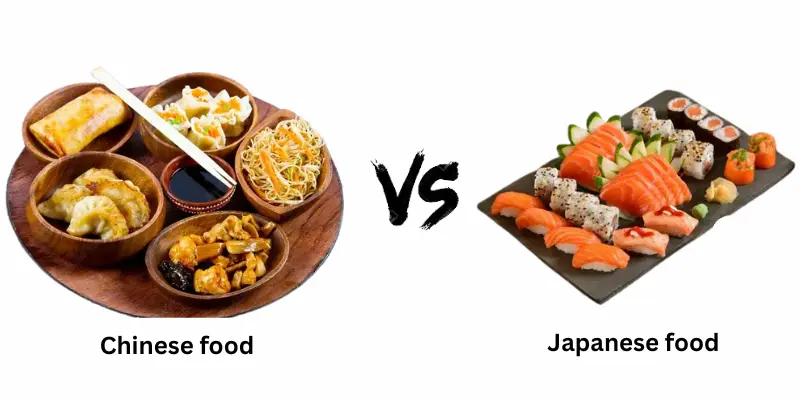
Many people love Asian food, but it can be hard to see the difference between Chinese and Japanese food at first. Both come from East Asia and both use rice, noodles, seafood and soy sauce. They even share some cooking tools and ingredients. Still, each cuisine has its own special taste, style and cooking method.
Chinese food is bold, rich and full of strong flavors. It often uses sauces, spices, stir-frying and deep-frying. Japanese food feels light, clean and simple. It focuses on fresh seafood, seasonal ingredients and gentle flavors like miso and dashi.
People compare these two cuisines because they look similar on the surface, but they taste very different once you try them. This article will explain their flavors, ingredients, cooking styles, presentation, health factors, and popular dishes. You will also see which cuisine fits your taste and lifestyle.
What Is Chinese Food?
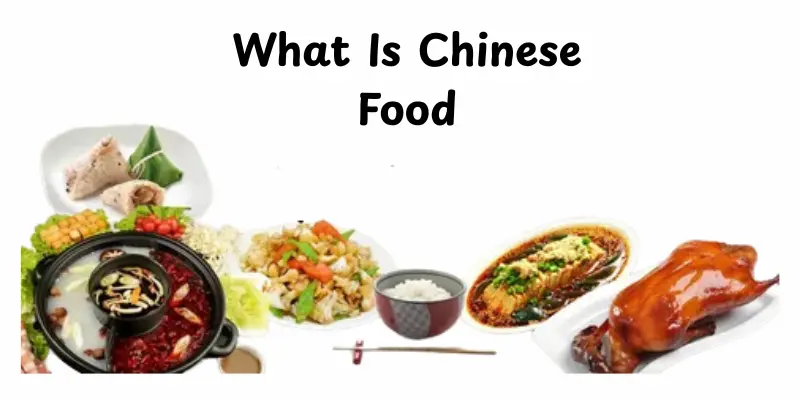
Chinese food comes from China’s long food history and many regions, such as Sichuan, Cantonese and Hunan kitchens. It uses bold flavors, rich sauces, spices and many cooking styles like stir-frying and deep-frying. It fits people who enjoy strong, layered flavors and big meals with lots of variety.
What Is Japanese Food?
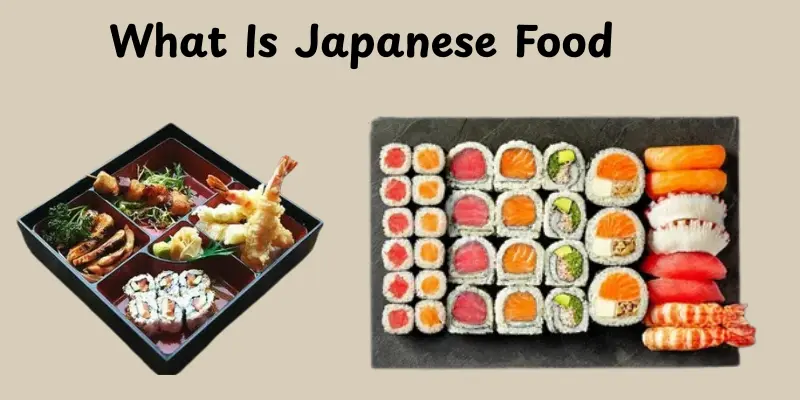
Japanese food focuses on clean flavors, fresh seafood and seasonal ingredients. It often uses light cooking methods like steaming, grilling and raw preparation to keep natural taste. It suits people who enjoy simple, balanced meals with gentle seasoning and neat presentation.
Culinary Philosophy & Cultural Roots
Food tells a story and Chinese and Japanese cuisines show this in very different ways. Each culture uses food to express its history, beliefs and way of life. When you look deeper, you see that taste is not just about ingredients. It is about values.
Chinese food focuses on harmony, warmth and sharing. Many dishes are rich, colorful and served in large portions. Meals bring families and friends together at one table. Ideas from Taoism and Traditional Chinese Medicine also shape food choices. They believe food should balance flavors, energy and health.
Japanese food values purity, calmness, and nature. The focus stays on fresh, seasonal ingredients. Chefs highlight the natural taste instead of hiding it with heavy sauces. This comes from Shinto and Buddhist ideas, which respect life and nature. Meals are neat, quiet, and carefully arranged on individual plates.
Flavor Profiles (Features)
Flavors show how each cuisine expresses taste and texture. Chinese food brings loud layers of flavor, while Japanese food keeps things gentle and balanced. Each style creates a different eating experience.
Chinese Food Flavor Style
Chinese food feels rich and strong. Many dishes have bold sauces, spices, and deep aroma. Cooks use garlic, ginger, soy sauce, chili oil and pepper to create warm and powerful flavors. These ingredients make dishes taste intense and exciting.
Japanese Food Flavor Style
Japanese food stays clean and mild. It focuses on natural umami, which comes from simple broths and fresh seafood. Cooks use miso, dashi, soy sauce, seaweed and light seasonings to keep flavor soft and balanced. These ingredients make meals calm and easy to enjoy.
Ingredients Used
The choice of ingredients sets Chinese and Japanese food apart. Each cuisine uses staples, proteins and vegetables differently to create its signature taste.
Proteins
- Chinese food: Pork, beef, chicken, duck and seafood are common. Meat is often marinated and cooked with bold sauces.
- Japanese food: Fish, shrimp, tofu and other seafood dominate. Proteins are usually lightly seasoned or served raw to preserve natural flavor.
Staples
- Chinese food: Rice, noodles and dumplings are everyday staples. They often accompany saucy or stir-fried dishes.
- Japanese food: Sushi rice, soba and udon noodles are key. Rice often forms the base of a meal rather than a side dish.
Vegetables & Herbs
- Chinese food: Bok choy, napa cabbage, mushrooms and scallions are widely used, often stir-fried or steamed.
- Japanese food: Daikon, seaweed, shiso leaves and seasonal vegetables are common, often served fresh or lightly cooked.
Cooking Methods (Performance)
How food is cooked shapes its taste, texture and aroma. Chinese and Japanese cuisines use very different techniques to bring out their flavors.
Chinese Techniques
- Stir-frying, deep-frying, steaming and braising are common.
- High heat and fast cooking are used to lock in flavor and create crispy textures.
- Woks are a key tool, giving dishes the signature “wok hei” or smoky taste.
Japanese Techniques
- Steaming, simmering, grilling and raw preparation (like sashimi) are widely used.
- Cooking is gentle, using minimal oil to preserve the natural flavor of ingredients.
- Tools like donabe pots and sharp knives help maintain delicate textures and precise presentation.
Presentation & Dining Style
The way food is served and eaten is a key part of the dining experience. Chinese and Japanese cuisines show different approaches to presentation and mealtime.
Chinese Dining Style
- Meals are usually served family-style, with large dishes placed in the center for everyone to share.
- Portions are generous, colorful and often layered with sauces or garnishes.
- The focus is on abundance and togetherness, encouraging social dining and communal sharing.
Japanese Dining Style
- Meals are often served on individual plates or trays, with each dish separate.
- The presentation is neat, simple and visually balanced, highlighting natural colors and shapes.
- The focus is on harmony, mindfulness and appreciating each ingredient’s flavor and appearance.
Popular Dishes
Each cuisine has signature dishes that reflect its flavors, ingredients and cooking style.
Chinese Food
- Chow Mein: Stir-fried noodles with vegetables, meat or seafood.
- Dim Sum: Bite-sized steamed or fried snacks, often shared in groups.
- Hot Pot: A communal meal where ingredients are cooked in a simmering broth.
- Peking Duck: Crispy roasted duck served with pancakes, hoisin sauce and vegetables.
Japanese Food
- Sushi: Vinegared rice with raw or cooked seafood, vegetables or egg.
- Ramen: Noodle soup with broth, meat, vegetables and seasonings.
- Tempura: Lightly battered and fried seafood or vegetables.
- Miso Soup: A simple soup made with miso paste, tofu, seaweed and green onions.
Health Comparison
Health is an important factor when choosing meals, and Chinese and Japanese foods differ in how they affect your diet.
Chinese Food
- Often uses oil, sauces and frying, which can increase calories.
- Includes a variety of vegetables, meats and proteins for balanced nutrition.
- Meals can be hearty and filling, but portion control matters for a healthy diet.
Japanese Food
- Uses less oil and focuses on fresh, seasonal ingredients.
- Includes fish, tofu, seaweed and fermented foods like miso, which support digestion.
- Meals tend to be lighter, making it easier to maintain a balanced diet.
Cost & Availability (Pricing)
Price and accessibility can affect what you choose to eat. Chinese and Japanese foods differ in both ways.
Chinese Food
- Generally more affordable, with many budget-friendly options.
- Ingredients like rice, noodles and common vegetables are easy to find.
Japanese Food
- Can be more expensive, especially dishes with fresh seafood like sushi.
- Ingredients like specialty fish, seaweed and premium rice may be harder to source.
- Restaurants and quality ingredients may cost more, limiting availability in some areas.
Pros and Cons of Chinese and Japanese Food
Both Chinese and Japanese foods have unique advantages and some drawbacks. Understanding them helps you decide what fits your taste and lifestyle.
Chinese Food
| Pros of Chinese Food |
|---|
|
| Cons of Chinese Food |
|---|
|
Japanese Food
| Pros of Japanese Food |
|---|
|
| Cons of Japanese Food |
|---|
|
Which One Should You Choose?
Choosing between Chinese and Japanese food depends on your taste, lifestyle and dining preferences.
- If you enjoy bold, strong flavors: Try Chinese dishes with rich sauces, stir-fries, and spicy options.
- If you prefer light, clean meals: Japanese cuisine with fresh seafood, sushi and subtle seasonings is a great choice.
- For seafood lovers: Japanese food offers a wide variety of fish and shellfish dishes.
- For comfort and variety: Chinese cuisine gives hearty meals with many textures and ingredients to explore.
Conclusion
Chinese and Japanese foods each have their own strengths and charm. Chinese food is bold, rich and full of variety. It suits beginners, families and groups who enjoy hearty meals and shared dining. It’s perfect for casual gatherings or when you want something filling and exciting.
Japanese food is light, clean and carefully balanced. It fits people who enjoy subtle flavors, fresh seafood and mindful eating. It works well for smaller meals, solo dining or for those who want a healthier option. Professionals and food lovers who appreciate precision and presentation will enjoy it most.
In the end, both cuisines are excellent. Choose Chinese food when you want bold taste and variety. Choose Japanese food when you want delicate flavors and a refined experience. Pick what fits your taste and situation, and enjoy every bite!
FAQs
Yes, Chinese food often uses chili, garlic and strong sauces, so it can be spicy. Japanese food is usually mild and focuses on natural flavors.
Japanese food is lighter and lower in oil. It uses fresh seafood, vegetables and simple seasonings. Chinese food can be heavier and fried, but still includes lots of vegetables and proteins.
They share some ingredients like rice, noodles and soy sauce. But flavors, cooking methods and presentation are very different.
Yes. You can combine techniques and ingredients. For example, serve stir-fried vegetables (Chinese) with sushi rice (Japanese).
Yes, Japanese meals are lighter, use less oil, and include more fresh seafood and vegetables. Chinese food can be richer, but it also provides a good balance of protein and vegetables.
Check the flavors and presentation. Chinese food is bold, saucy and often shared. Japanese food is light, simple and served individually with clean plating.
Chinese fried rice is oily, seasoned with soy sauce, garlic and often mixed with meat and vegetables. Japanese fried rice is lighter, uses less oil and sometimes adds a hint of dashi or egg for a mild flavor.
Some Japanese dishes are inspired by Chinese cuisine, like ramen and gyoza. They are adapted to Japanese taste with lighter flavors and simpler seasonings.



- Be Respectful
- Stay Relevant
- Stay Positive
- True Feedback
- Encourage Discussion
- Avoid Spamming
- No Fake News
- Don't Copy-Paste
- No Personal Attacks
- Be Respectful
- Stay Relevant
- Stay Positive
- True Feedback
- Encourage Discussion
- Avoid Spamming
- No Fake News
- Don't Copy-Paste
- No Personal Attacks
