Pappadeaux Salmon Alexander Sauce Recipe: The Creamy Sauce You’ll Love
Published: 16 Jan 2026
On a special night out, I had the chance to try the famous Pappadeaux salmon, and it was love at first bite. The salmon was perfectly golden, with crispy edges and a rich creamy sauce surrounding it. The blend of Cajun spices and smooth garlic butter created a flavor that was both bold and comforting. It didn’t take long for everyone at the table to agree that this was the dish to try. Now, you can recreate that same delicious experience right at home with this easy-to-follow Pappadeaux Salmon Alexander recipe. Let’s dive into how you can make this flavorful dish in your own kitchen!
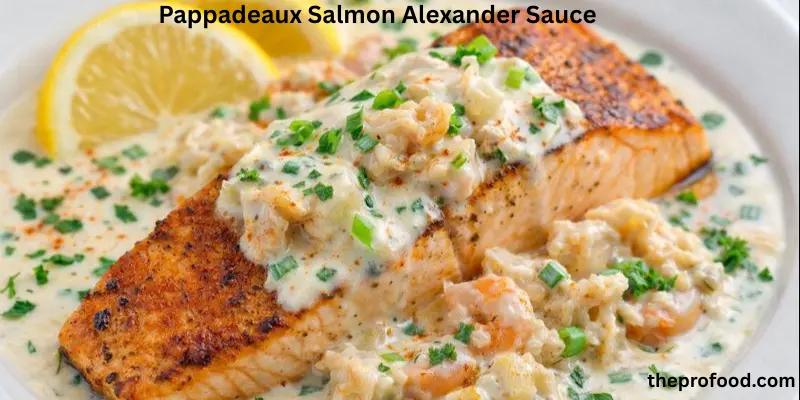
Why You’ll Love Pappadeaux Salmon Alexander Sauce?
This homemade version of the Pappadeaux salmon is easy to make and saves you money compared to dining out. You won’t have to wait for a table or drive anywhere when you have a craving. The ingredients are simple and can be found at most grocery stores, with many likely already in your pantry.
Plus, you have full control over the flavors—adjust the spices to your taste, whether you prefer it mild or extra spicy. Best of all, you can have this delicious meal ready in less than 45 minutes, filling your kitchen with a mouthwatering, restaurant-like aroma. Everyone will be asking for your secret recipe!
What Makes Pappadeaux Salmon Alexander So Special?
The magic of Pappadeaux Salmon Alexander comes from its unique blend of flavors and cooking technique. The salmon is seasoned with Cajun spices and a touch of chili powder, giving it a flavorful, crispy crust. It’s then cooked at high heat to seal in the moisture, ensuring the fish stays tender.
What truly sets this dish apart is the creamy, rich sauce made with lobster base and parmesan cheese, creating a luxurious flavor that complements the salmon perfectly. This dish is a true representation of Louisiana’s bold and flavorful cooking style.
Ingredients for Pappadeaux Salmon Alexander
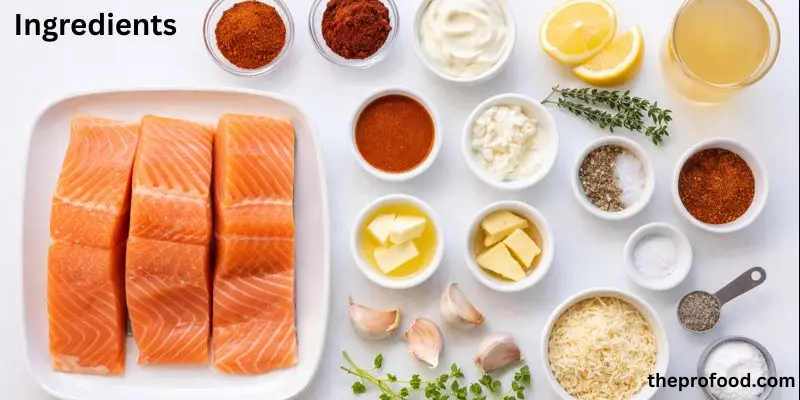
To create the delicious Pappadeaux Salmon Alexander at home, you’ll need a mix of fresh ingredients that combine to bring bold and rich flavors. Here’s a list of what you’ll need:
- Salmon fillets – 4 (6 oz each)
- Cajun seasoning – 2 tablespoons
- Chili powder – 1 tablespoon
- Olive oil – 2 tablespoons (for searing)
- Butter – 2 tablespoons
- Lobster base – 1/4 cup
- Heavy cream – 1/2 cup
- Parmesan cheese – 1/4 cup, grated
- Garlic – 2 cloves, minced
- Green onions – 2 tablespoons, chopped (for garnish)
- Lemon – 1, cut into wedges (for serving)
Equipment You’ll Need
To make the perfect Pappadeaux Salmon Alexander at home, having the right tools is key. Here’s a list of essential equipment to help you cook like a pro:
- Grill or Skillet
- Baking Sheet (for oven-baked salmon)
- Sharp Knife
- Cutting Board
- Measuring Spoons and Cups
- Whisk
- Sauté Pan (for sauce)
How to Make Pappadeaux Salmon Alexander Sauce Recipe
Learn how to recreate the delicious Pappadeaux Salmon Alexander sauce sat home with a rich and creamy sauce. This simple guide will take you through every step, from seasoning the salmon to preparing the flavorful sauce.
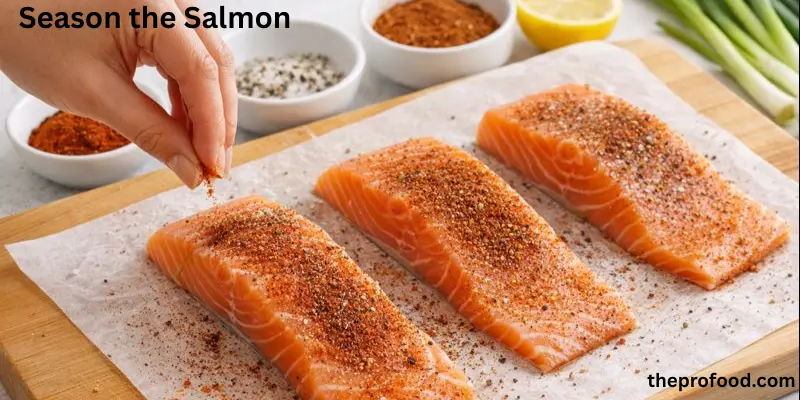
Step 1 | Season the Salmon
Start by patting the salmon dry with paper towels to ensure a nice sear. Season all sides with salt, pepper, garlic powder, onion powder, Cajun seasoning, and chili powder. Let the salmon sit for a few minutes to absorb the flavors.
Step 2 | Make the Sauce
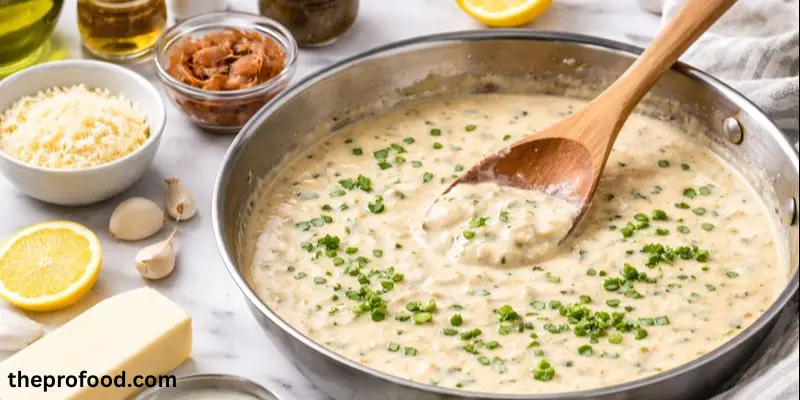
In a small saucepan, melt butter over medium heat and add garlic paste, cooking it for a few seconds until fragrant. Then, stir in flour to create a base, followed by chicken stock, lobster base, cream, Cajun seasoning, and Parmesan cheese. Stir until the sauce thickens and becomes creamy.
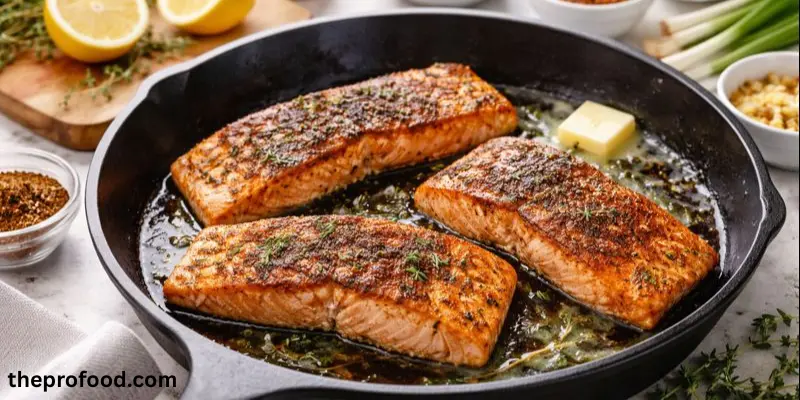
Step 3 | Sear the Salmon
Heat avocado oil in a skillet over medium-high heat. Place the seasoned salmon fillets in the pan, skin-side down if using skin-on fillets. Cook each side for about 1½ minutes until a golden crust forms.
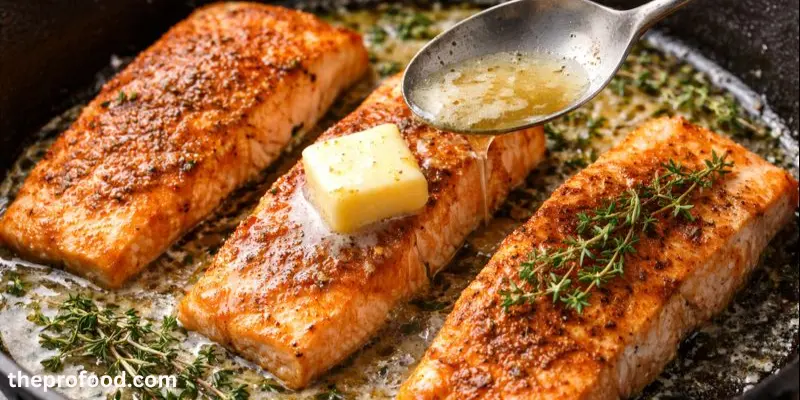
Step 4 | Add Butter & Thyme
Once the salmon is seared, add a dollop of butter and fresh thyme to the skillet. Tilt the pan to allow the butter to melt and baste the salmon, enhancing its flavor.
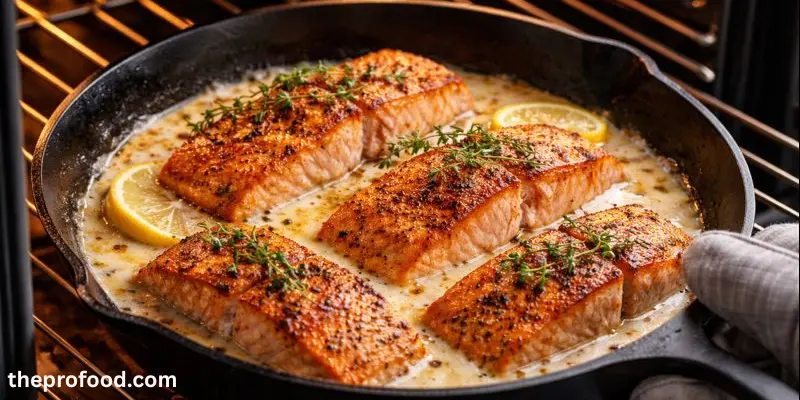
Step 5 | Finish in the Oven
Transfer the skillet to a preheated oven set to 400°F. Bake the salmon for 6-8 minutes until the internal temperature reaches 135°F, ensuring it’s cooked through and tender.
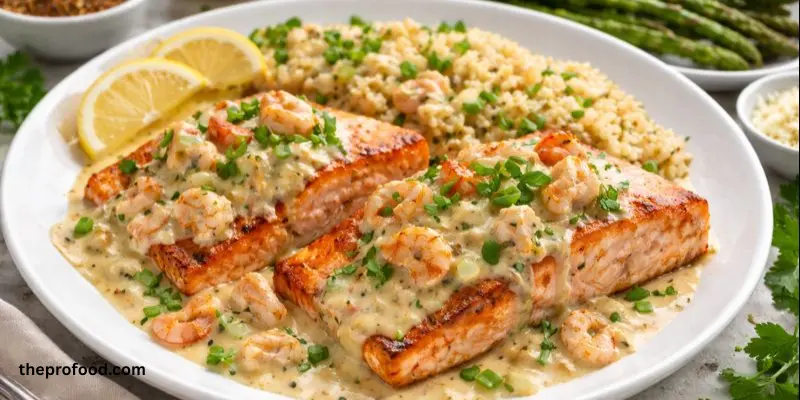
Step 6 | Plate and Serve
Once the salmon is cooked, warm the creamy sauce and spoon it generously over the fillets. Garnish with a squeeze of fresh lemon juice and a sprinkle of parsley for added color and freshness. Serve and enjoy your homemade Pappadeaux Salmon Alexander!
Tips for Cooking Pappadeaux Salmon Like a Pro
Mastering the art of cooking Pappadeaux salmon is all about the right techniques and attention to detail. Here are some expert tips to help you achieve a perfectly cooked salmon every time.
- Use Dry Salmon: Pat the salmon dry before cooking. This ensures a crisp, golden crust and prevents excess moisture from steaming the fish.
- Bring Salmon to Room Temperature: Let the salmon rest at room temperature for 15-20 minutes before cooking. This helps it cook more evenly.
- Don’t Move the Salmon: Once you place the salmon in the pan, avoid moving it. Let it sit undisturbed to develop a nice sear.
- Customize the Spice: Adjust the seasoning to your taste. If you prefer less spice, use a milder Cajun seasoning, and add more as needed.
- Use Freshly Grated Parmesan: Grate your own Parmesan cheese for the creamiest sauce. Pre-shredded cheese can have anti-caking agents that affect the texture.
Side Dishes to Serve with Pappadeaux Salmon
This creamy salmon is delicious with a variety of simple yet flavorful side dishes. Garlic mashed potatoes are a great option as they soak up the rich sauce perfectly. For a fresh contrast, pair the dish with steamed asparagus or sautéed green beans. Rice pilaf also works well, absorbing all the delicious sauce. Roasted vegetables like Brussels sprouts or carrots complement the salmon’s flavors, providing a nice balance. At Pappadeaux, they serve this dish with seasoned rice and a side of buttery dinner rolls, which are always a hit.
Common Mistakes to Avoid When Making Pappadeaux Salmon
While making Pappadeaux-style salmon is simple, a few common mistakes can affect the flavor and texture. Here are some key errors to avoid for the best results:
- Overcooking the Salmon: Salmon cooks quickly, and overcooking can make it dry and tough. Aim for an internal temperature of 135°F for perfectly tender fish.
- Using the Wrong Pan: A cast-iron skillet provides the best sear for your salmon, creating a crisp, golden crust. Avoid using non-stick pans for this dish.
- Not Seasoning Enough: Salmon needs a good amount of seasoning to bring out its natural flavors. Be sure to season generously with salt, pepper, and Cajun spices.
- Ignoring the Sauce Consistency: If your sauce is too thick or thin, adjust by adding a little extra stock or cream. The sauce should be creamy but pourable.
- Skipping the Resting Time: After cooking, let your salmon rest for a couple of minutes. This helps the fish retain its moisture and stay flavorful.
Storage Tips
To keep your Pappadeaux salmon fresh and tasty, it’s important to store it properly. Here are some tips to ensure your leftovers stay delicious.
- Cool the Salmon First: Allow the salmon to cool down to room temperature before refrigerating. This helps prevent condensation and keeps the fish from becoming soggy.
- Use an Airtight Container: Store the salmon in an airtight container to maintain its freshness and prevent it from absorbing other odors in the fridge.
- Keep the Sauce Separate: If you have leftover creamy sauce, store it separately in a small container. This helps prevent the sauce from making the salmon soggy.
- Refrigerate for Up to 2 Days: Leftover salmon can be stored in the fridge for up to 2 days. Beyond that, it may start to lose its flavor and texture.
- Freeze for Long-Term Storage: If you need to store it longer, wrap the salmon tightly in plastic wrap and foil before freezing. It can last for up to 3 months in the freezer. When reheating, avoid microwaving to keep the texture intact—reheat in the oven instead.
Nutrition Information
Here’s a breakdown of the nutrition for a serving of Pappadeaux Salmon with Creamy Sauce. This information will help you understand the nutritional content of this flavorful dish.
| Nutrient | Amount per Serving (1 fillet) |
| Calories | 400 kcal |
| Total Fat | 28g |
| Saturated Fat | 8g |
| Cholesterol | 90mg |
| Sodium | 700g |
| Carbohydrates | 2g |
| Fiber | 0g |
| Sugar | 1g |
| Protein | 38g |
| Vitamin A | 10% |
| Vitamin C | 8% |
| Calcium | 4% |
| Iron | 15% |
Conclusion
Today, we’ve explored how to make a delicious Pappadeaux Salmon with Creamy Sauce from the comfort of your home. From seasoning the salmon to creating that rich, creamy sauce, we’ve covered all the steps to make this restaurant favorite. We also looked at some tasty side dishes and important storage tips to keep your leftovers fresh.
If you’re a fan of flavorful salmon, I highly recommend giving this recipe a try—it’s perfect for impressing guests or enjoying a special meal with your family. Trust me, the creamy sauce and tender salmon will become a favorite in no time!So, folks, stay tuned for more tasty recipes and cooking tips. Keep learning and keep cooking!
FAQs
Creamy sauces like lemon butter, garlic parmesan, or dill cream sauce pair perfectly with salmon. They add richness and enhance the natural flavor of the fish.
Alexander sauce is a creamy, flavorful sauce typically made with butter, garlic, Cajun seasoning, and sometimes cream. It adds a rich, savory touch to dishes like salmon.
Lemon butter, hollandaise, and garlic cream sauce are great choices for salmon. They balance the fish’s richness and add a burst of flavor.
The key to a creamy sauce is using ingredients like heavy cream, butter, and cheese. Slowly simmering them together creates that smooth, velvety texture.
If you don’t have lobster base, you can use seafood stock or chicken broth as a substitute. It will still add depth of flavor to your sauce.
Salmon is perfectly cooked when it flakes easily with a fork and reaches an internal temperature of 135°F. It should be moist but not raw in the middle.
Fresh, wild-caught salmon like King or Sockeye works best due to its rich flavor and firm texture. However, farmed salmon can also be used for a more affordable option.
Yes, you can bake, grill, or broil the salmon if you don’t have a skillet. Just make sure to cook it to the right temperature for the best results.





- Be Respectful
- Stay Relevant
- Stay Positive
- True Feedback
- Encourage Discussion
- Avoid Spamming
- No Fake News
- Don't Copy-Paste
- No Personal Attacks
- Be Respectful
- Stay Relevant
- Stay Positive
- True Feedback
- Encourage Discussion
- Avoid Spamming
- No Fake News
- Don't Copy-Paste
- No Personal Attacks
