How to Make Sakura Rice at Home- Step-by-Step
Published: 8 Nov 2025
Imagine spring in Japan, with delicate pink flowers passing through the air, parks full with laughter and families picnics under blossoming cherry trees.Among all the seasonal treats, one specific dish stands out, such as Sakura Gohan or cherry blossom rice.This beautiful rice dish reflects the core of Japanese culture.It’s simple but lovely with the delicate perfume of cherry blossoms and the comfort of warm, fluffy rice.
In this guide, you’ll learn how to make sakura rice, explore different variations, understand why it’s such an important dish, and pick up helpful tips to make your version perfect at home.
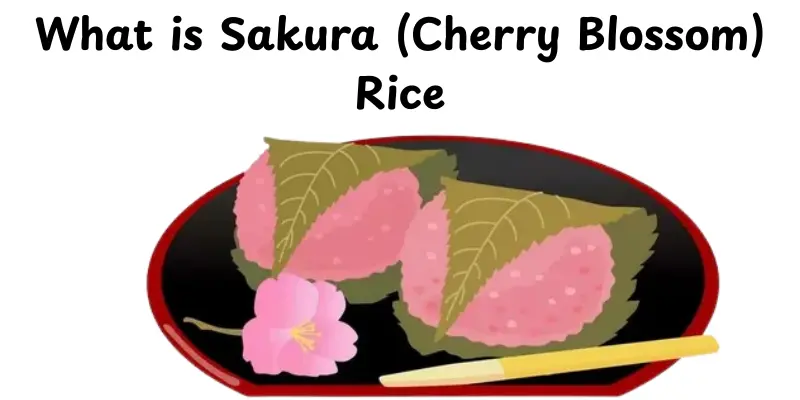
What is Sakura (Cherry Blossom) Rice?
Sakura (Cherry Blossom) Rice is a traditional Japanese meal that combines cooked rice with salted cherry blossoms or leaves.It celebrates the beauty of spring, when cherry trees bloom around Japan.The rice is light pink in color and has a pleasant flowery aroma that is both refreshing and calming.People often eat it at cherry blossom festivals or family gatherings. This dish is more than simply taste – it’s the symbol of new beginnings and love for nature. Sakura rice gives the seasonal taste to your food.
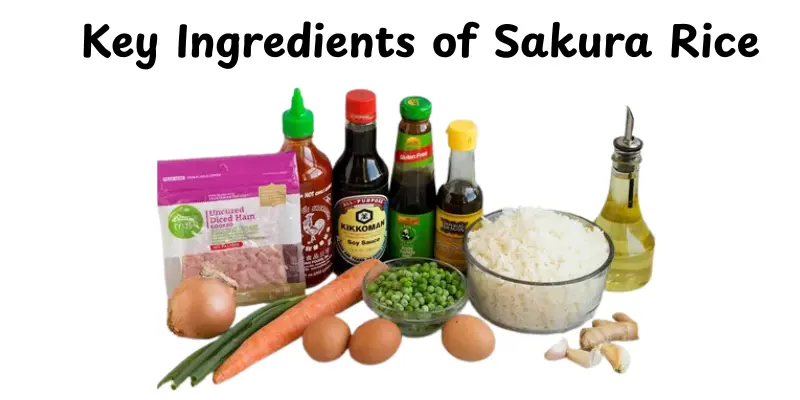
Key Ingredients of Sakura Rice
To make Sakura (Cherry Blossom) Rice, you only need a few simple ingredients, but each one adds its own special touch.
- Cooked Rice – Use freshly steamed Japanese short-grain rice for the best texture and stickiness.
- Salted Cherry Blossoms (Sakura Flowers) – These give the rice its floral scent and soft pink color. Soak them in water first to remove extra salt.
- Salted Cherry Leaves (Optional) – Some people mix or wrap rice with these for a stronger sakura flavor.
- Sesame Seeds or Pickled Plum (Umeboshi) – These are often added for a pop of color and a bit of tangy flavor.
- A Pinch of Salt – Enhances the taste and balances the floral aroma.
Each ingredient works together to create a delicate, refreshing dish that perfectly captures the spirit of spring in Japan.
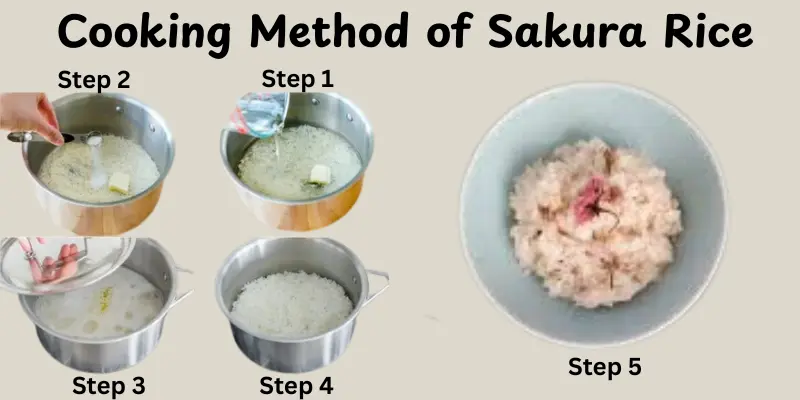
Step-by-Step Cooking Method of Sakura Rice
Making Sakura (Cherry Blossom) Rice recipe is easy and calming.Follow these steps to enjoy a warm taste of spring at home.
Step 1: Rinse and Cook the Rice
Gently wash the short-grain rice multiple times until the water becomes clear.This removes extra starch.Cook the rice in your rice cooker or pot with the regular quantity of water.Take it to rest for a few minutes after cooking.
Step 2: Prepare the Cherry Blossoms
Take the salted cherry blossoms and put them in warm water for 5-10 minutes.This will remove the extra salt and show their beautiful pink color.Drain and dry them with a clean cloth.
Step 3: Mix the Ingredients
When the rice completes, lightly smooth it using a rice fork. Add the drained cherry blossoms and a little teaspoon of salt. Mix slowly so that the grains remain fluffy and do not break apart.
Step 4: Add Optional Toppings
For extra flavor, sprinkle roasted sesame seeds or bits of pickled plum.You can also use finely cut sakura leaves.These toppings improve the rice’s color and fragrance.
Step 5: Serve and Enjoy
Spoon the rice into small bowls while it is still heated. Put one full cherry blossom on top for decoration. This soft, flowery rice makes a great side dish or light meal.
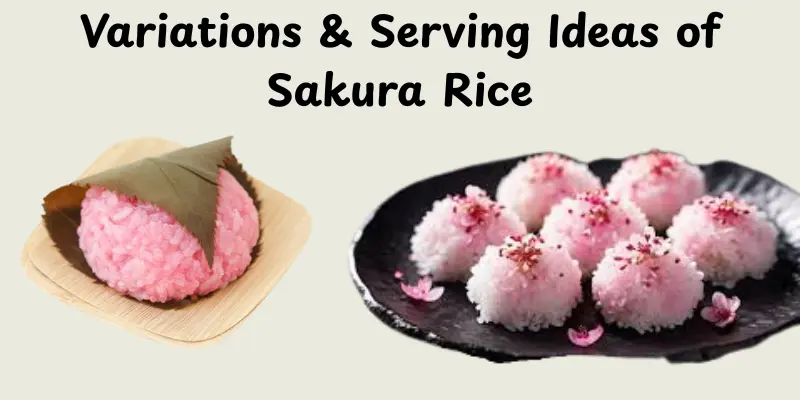
Variations & Serving Ideas
Sakura (cherry blossom) Rice is not only visually appealing, but it is also enjoyable to experiment with. You can eat it in a variety of ways, from simple side dishes to complete dinners. Here are some tasty and beautiful ideas you can try at home.
- Sakura Mixed Rice-Before cooking the rice, mix in chopped vegetables like carrots, bamboo shoots and shiitake mushrooms.It produces a colorful, tasty mixture that enhances the delicate sakura petals.
- Sakura Onigiri (Rice Balls)-Shape cooked rice into small triangles or balls.Wrap them in sakura leaves or sprinkle sesame seeds on top for a lovely and delicious spring snack.
- Sakura Fried Rice-Use leftover sakura rice and gently stir-fry it with soy sauce, eggs and green onions.This gives a warm, savory flavor while keeping its delicate floral touch.
- Sakura Sushi Rolls-Spread sakura rice on a sushi mat, add ingredients such as cucumber or tofu skin and roll neatly.The pink rice gives your sushi an attractive and festive look.
- Perfect Pairings-Serve sakura rice with grilled fish, miso soup or pickled vegetables. For an enjoyable and refreshing conclusion, serve with a good cup of green tea.
Health, Storage & Serving Suggestions
Sakura (Cherry Blossom) Rice is not only beautiful, but also light and easy on the stomach.Knowing how to properly store and serve enables you to enjoy it to its best.Here are some simple tips:
- Health Benefits: Sakura rice is low in fat and easy to digest.The salted blossoms add a subtle flavor without extra calories.Pair it with vegetables or fish for a balanced, nutritious meal.
- Storage Tips: Keep cooked sakura rice in an airtight container in the fridge for up to 2 days.Reheat gently with a sprinkle of water to keep it soft.Avoid leaving it out at room temperature for too long.
- Serving Suggestions: Serve heated in small bowls for the real Japanese experience.Garnish with all cherry blossom or a sprinkle of sesame seeds for a lovely display. It is perfect for lunch, dinner or even a picnic.
Tips for Making the Perfect Sakura Rice
Making sakura rice can be simple, but a few handy tips make it even more delicious and beautiful.Follow these easy suggestions to get the best flavor and presentation:
- Soak salted cherry blossoms well to remove excess salt.
- Use short-grain Japanese rice for a soft, sticky texture.
- Fluff the rice gently after cooking to avoid breaking the grains.
- Add toppings like sesame seeds or sakura leaves for extra aroma and color.
- Serve warm to enjoy the full floral fragrance.
- Use leftover rice creatively in fried rice or sushi rolls.
- Store in an airtight container if not serving immediately.
Conclusion
So, in this article, we’ve covered everything about sakura rice, from its history and important ingredients to step-by-step cooking instructions, different types and helpful tips.This recipe is not only perfect, but it also adds a touch of spring to your meals.If you ask me, try cooking sakura rice this season; it’s simple, lovely and give a particular touch to any meal.Keep on continuing to experiment with various types and enjoy every bite.Stay tuned and discover more about amazing Japanese cuisine!
FAQs
Sakura has a delicate, slightly sweet, flowery taste.It also has a little saltiness when pickled. The flavor is delicate and aromatic, giving a springtime feel to recipes.
Sakura is the Japanese word for cherry blossoms.While all sakura are cherry blossoms, not all cherry blossoms are called sakura.This expression often refers to blooms used in cooking or decoration.
Sakura rice, also known as sakura gohan, originated in Japan. It is a common spring dish eaten during cherry blossom season.People use pickled blossoms to flavor and color plain rice.
Yes, sakura is low in calories and contains low levels of vitamins.Pickled sakura has a little amount of salt, so eat in moderation. It is mostly liked for its flavor and aroma.
Short-grain Japanese rice is perfect for sakura gohan. It’s sticky and soft, keeping the blooms and flavors very well.Sushi rice and other sticky kinds are good choices.
Fresh flowers are good, but they usually are less delicious and may require blanching. Pickled sakura gives the unique flavor and fragrance of sakura rice.You can experiment, but the standard method uses pickled flowers.
Cooked sakura rice can be stored in the fridge for 1–2 days.Pickled blossoms can survive for weeks if properly stored.Always store them in a clean, airtight container.
Yes! Sakura rice is automatically vegan if no fish or meat toppings are added.Use plant-based herbs and enjoy this light, delicious dinner.




- Be Respectful
- Stay Relevant
- Stay Positive
- True Feedback
- Encourage Discussion
- Avoid Spamming
- No Fake News
- Don't Copy-Paste
- No Personal Attacks
- Be Respectful
- Stay Relevant
- Stay Positive
- True Feedback
- Encourage Discussion
- Avoid Spamming
- No Fake News
- Don't Copy-Paste
- No Personal Attacks
